San Antonio · Texas
Is Solar Worth It for Homeowners in San Antonio, Texas?
★★★★★ 5-Star Rated · Trusted in Bexar County
BBB Torch Award 2020
Licensed & Insured
In-House Team
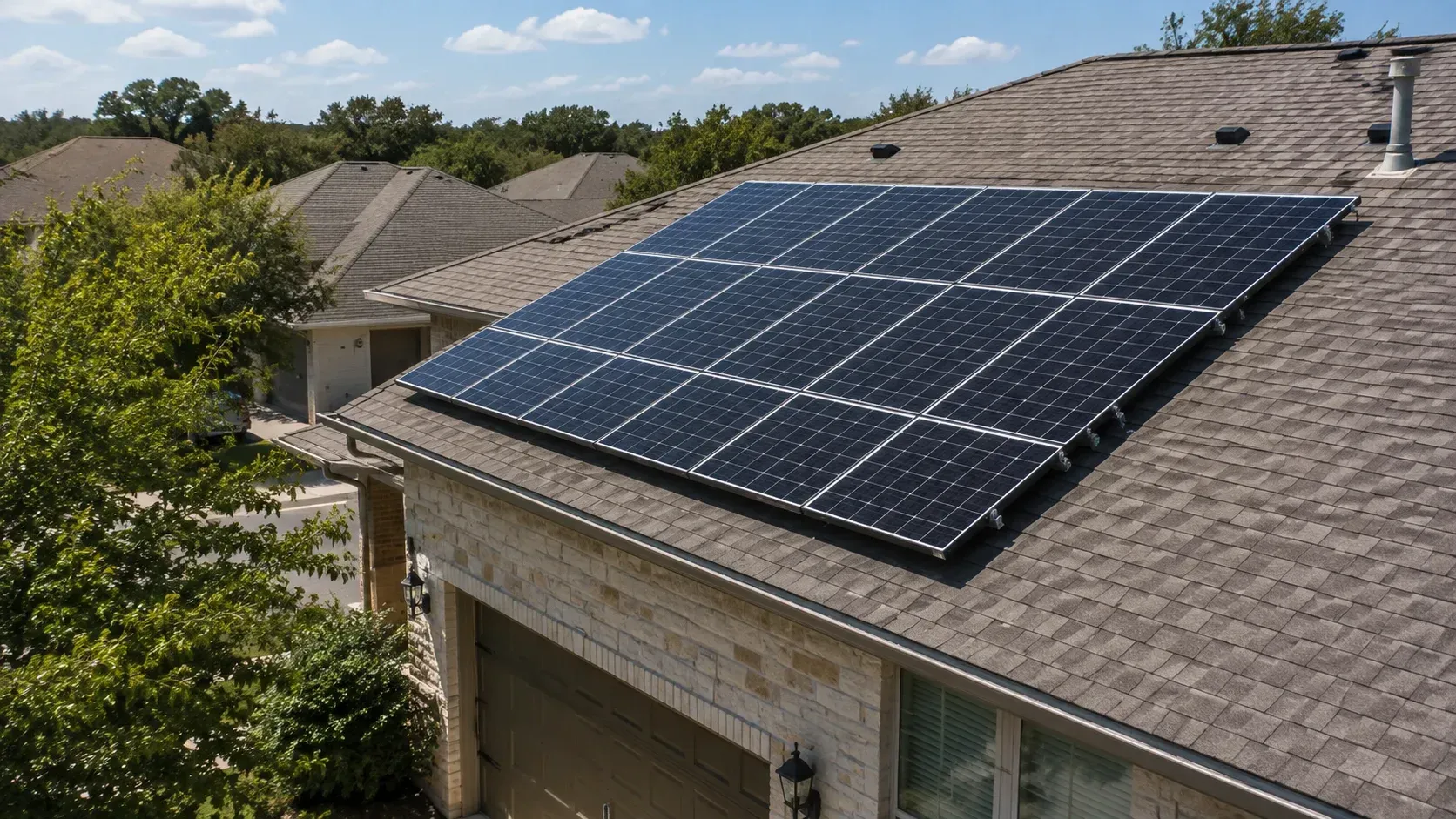
Table of Contents
- Introduction
- Is Solar Worth It in San Antonio? A Direct Answer
- Why San Antonio's Climate Comes Up in Solar Conversations
- The Main Factors That Decide If Solar Pays Off
- Understanding Installation Costs
- Incentives and Credits That Affect the Math
- How Payback and Return on Investment Work
- Is Your Home a Good Fit for Solar?
- Ways to Pay for a Solar System
- Limitations and Risks to Weigh
- Conclusion
- Book a Discovery Call
- Frequently Asked Questions
Key Takeaways
- Whether solar is worth it depends on your electricity usage, roof condition, installation cost, and the incentives you qualify for. There is no single answer that fits every home.
- San Antonio's high number of sunny days and warm-weather cooling bills make it a reasonable place to consider solar, but reasonable is not the same as guaranteed.
- The federal tax credit and local utility programs can lower the effective cost, though program terms change and eligibility varies.
- Payback periods for residential solar commonly fall in the range of several years to over a decade, depending on your specific numbers.
- Solar is a long-term financial decision, not a quick fix. Reviewing your own bills and getting a site-specific assessment matters more than any general rule.
Introduction
Solar can be worth it for many San Antonio homeowners, but the honest answer is that it depends on your electricity usage, your roof, the total installed cost, and the incentives you qualify for. There is no universal yes or no, because a home with high summer cooling bills and a sunny south-facing roof has a very different outlook than a shaded home with low usage.
That is why it pays to look at your own numbers rather than a headline claim. The same efficiency mindset that leads homeowners to upgrade insulation or add smart home devices also shapes how much a solar system needs to produce to make sense for you.
This topic matters because San Antonio sees plenty of sun and hot summers that drive up cooling costs. For homeowners watching their utility bills, understanding how solar savings actually work is the first step toward a sound decision.
Is Solar Worth It in San Antonio? A Direct Answer
The short version: solar is often a reasonable option here, but "worth it" is personal. It comes down to how much you spend on electricity, how much sun your roof gets, what the system costs after incentives, and how long you plan to stay in the home.
For a household with high bills, a suitable roof, and plans to stay put for many years, the case tends to be stronger. For a home with low usage, heavy shade, or an imminent move, the case is weaker. The rest of this guide explains each of those variables so you can size up your own situation.
Why San Antonio's Climate Comes Up in Solar Conversations
San Antonio averages a high number of sunny days per year, which is the raw material solar panels need. More usable sunlight generally means more potential production from the same system.
The city's climate also drives demand. Long, hot summers push air conditioning use up, and cooling is one of the largest electricity costs for local homes. When your bills are highest during the sunniest months, the timing of solar production and consumption can line up well.
That said, sunshine alone does not decide the outcome. Roof orientation, shading, and your actual usage patterns all shape how much of that sunlight turns into real savings.
The Main Factors That Decide If Solar Pays Off
Several variables work together, and changing one shifts the whole picture.
- Your electricity usage. The more power you use, the more a solar system can offset. Homes with very low bills have less to save.
- Installation cost. This is the upfront number that everything else is measured against. It varies with system size, equipment, and roof complexity.
- Incentives. Tax credits and utility programs reduce the effective cost, which shortens payback.
- Roof and site conditions. Orientation, tilt, shading, and roof age all affect production and whether extra work is needed.
- How long you stay. Solar rewards time. The longer you own the home, the more years of savings you collect against the upfront cost.
Understanding Installation Costs
Residential solar is priced by system size, usually measured in kilowatts. A larger home with high usage needs a larger system, which costs more upfront but can offset more of the bill.
Costs also depend on equipment choices, such as panel type and whether you add battery storage. Batteries increase the price but let you store power for outages or evening use, which some homeowners value.
Roof factors matter too. A simple, sturdy roof is cheaper to work with than a steep, complex, or aging one that may need repair first. Because these variables differ home to home, a site-specific quote is far more reliable than any average figure.
Incentives and Credits That Affect the Math
Incentives can meaningfully lower the real cost of going solar, so they belong in any honest calculation.
The federal residential clean energy credit has historically allowed homeowners to claim a percentage of their system cost against federal taxes. Program details and percentages change over time and depend on your tax situation, so confirm current terms with a tax professional.
Local utility programs may also offer rebates or specific rate structures for solar customers. These change periodically and have eligibility rules. Because incentives shift, verify what is actually available before you count on any figure.
How Payback and Return on Investment Work
Payback is the point where your accumulated savings equal what you spent on the system. After that, the electricity the system produces represents ongoing value.
To estimate it, take your net cost after incentives and divide by your expected annual savings. Payback periods for residential solar commonly range from several years to more than a decade, depending on usage, system cost, and local rates.
Return on investment is the longer view. Panels are typically warrantied for many years, and production gradually declines over time. A realistic estimate accounts for that slow decline, possible maintenance, and any changes in electricity rates, none of which can be predicted with certainty.
Is Your Home a Good Fit for Solar?
Not every roof is a strong candidate, and knowing this early saves disappointment.
Roof direction and tilt. South-facing roofs generally capture the most sun in this region, though east and west can still work. Steep shading from trees or nearby buildings reduces output.
Roof age and condition. If your roof is near the end of its life, replacing it before installing panels avoids removing and reinstalling them later.
Available space. The system size you need depends on your usage, and your roof has to have enough unshaded area to fit it.
A comfortable, efficient home also uses power more predictably, which is where whole-home energy efficiency improvements can help you understand and manage your consumption before sizing a system.
Ways to Pay for a Solar System
How you pay changes the financial picture as much as the system itself.
Cash purchase. Paying upfront usually offers the best long-term value and full access to incentives, but it requires significant capital.
Solar loan. Financing spreads the cost over time. You own the system and keep the incentives, though interest adds to the total.
Lease or power purchase agreement. A third party owns the system and you pay to use the power or rent the equipment. Upfront cost is low, but you typically forgo the tax credit and the long-term savings are smaller.
Each path has tradeoffs, and the best fit depends on your finances and goals rather than a one-size-fits-all recommendation. Many homeowners weigh solar alongside other long-term home upgrades, from water treatment to security, when planning their budget.
Limitations and Risks to Weigh
Solar is a long-term commitment, and a balanced view includes the downsides.
Production depends on weather and daylight, so output drops on cloudy days and at night unless you have storage. Panels also degrade slowly over decades, producing a little less each year.
There are practical risks too. Incentive programs can change, electricity rates are unpredictable, and moving before payback can complicate the return. Roof repairs under an installed system add cost and hassle. None of these rule solar out, but they argue for realistic expectations and a careful look at your own numbers rather than general promises.
Conclusion
Solar can be a sound choice for San Antonio homeowners, but whether it is worth it for you depends on your electricity usage, roof condition, installation cost, incentives, and how long you plan to stay. The city's sunny climate and high summer cooling bills make it a fair place to consider, yet those conditions alone do not decide the outcome.
The most reliable path is to work from your own data. Review your electricity bills, check your roof, confirm current incentives, and get a site-specific assessment. A decision grounded in your actual situation, rather than a broad rule of thumb, is the one most likely to hold up over the long run.
Book a Discovery Call
If you are still weighing whether solar fits your home, a short discovery call can help you think it through. It is a no-pressure conversation about your energy use, your home's setup, and the factors that affect a decision like this, with no obligation attached. The goal is simply to give you clear, accurate information so you can decide with confidence.
Frequently Asked Questions
Is solar a good investment in San Antonio?
It can be, depending on your electricity usage, roof, system cost, and available incentives. Homes with high bills, suitable roofs, and long-term ownership plans tend to see a stronger case, while low-usage or heavily shaded homes may not.
How long does it take for solar panels to pay for themselves?
Payback periods for residential solar commonly range from several years to more than a decade. The exact number depends on your net cost after incentives, your electricity rates, and how much of your usage the system offsets.
Do solar panels work during San Antonio's hot summers?
Yes, panels produce power whenever there is sufficient sunlight, and summer offers long daylight hours. Very high heat can slightly reduce panel efficiency, but summer generally remains a strong production period locally.
What incentives are available for solar in Texas?
Homeowners may qualify for a federal tax credit, and some utilities offer rebates or special rate structures. These programs change over time and have eligibility rules, so confirm current terms with a tax professional and your utility before deciding.
Will solar panels eliminate my electricity bill?
Not necessarily. A system may offset a portion or most of your usage, but factors like system size, weather, nighttime use, and utility fees mean many homes still receive some bill. Battery storage can change how much grid power you draw.
Do I need a new roof before installing solar?
If your roof is near the end of its life, replacing it first is often recommended so panels do not have to be removed and reinstalled later. A roof assessment before installation helps you avoid added costs down the road.
What happens to solar panels when I sell my home?
It depends on how the system was financed. Owned systems typically transfer with the home, while leases or power purchase agreements may need to be transferred or bought out. Clarifying this early helps avoid complications at sale.
Related Posts