San Antonio · Texas
7 Mistakes to Avoid When Installing Security Cameras
★★★★★ 5-Star Rated · Trusted in Bexar County
BBB Torch Award 2020
Licensed & Insured
In-House Team
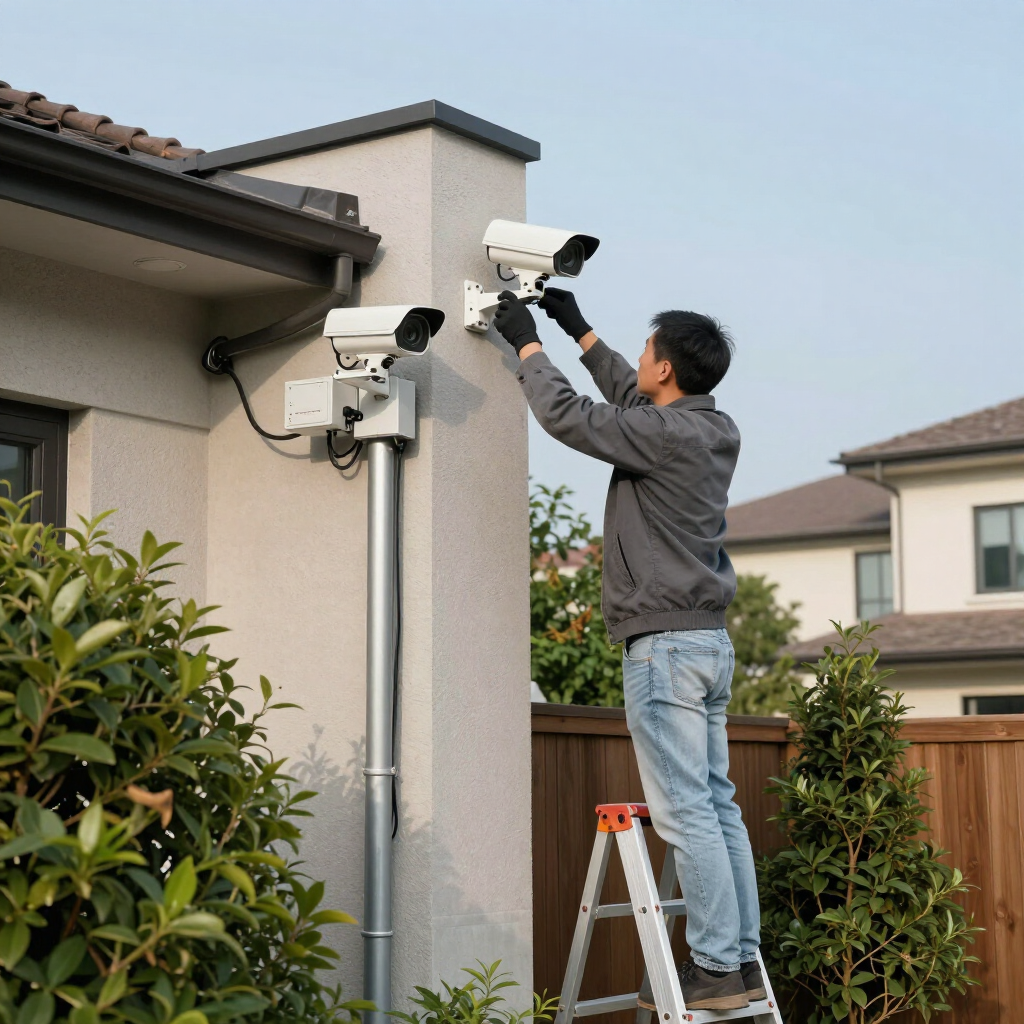
Table of Contents
- Introduction
- Why Proper Camera Installation Matters
- 7 Camera Installation Mistakes to Avoid
- Bonus Tips for Effective CCTV Installation
- DIY vs Professional Camera Installation
- When Should You Hire a Professional?
- Conclusion
- Frequently Asked Questions
Key Takeaways
- The most common camera installation mistakes include poor placement, coverage gaps, bad lighting, and the wrong mounting height.
- Skipping weatherproofing and ignoring power or network planning can leave a system unreliable, especially in Texas heat.
- Good CCTV installation covers every entry point clearly, with no blind spots at doors, gates, or driveways.
- Privacy laws and local alarm permits matter, so plan camera angles and footage storage with those in mind.
- Professional home security cameras and installation help avoid these errors and deliver dependable coverage.
Introduction
The most common camera installation mistakes include poor placement, coverage gaps, bad lighting, the wrong mounting height, and skipped weatherproofing. Avoiding them is what separates a system that truly protects your San Antonio property from one that records blurry, useless footage. Our alarm monitoring and security team sees these errors often, and our guide on what features matter most in a modern security system helps you plan a setup that works.
Security cameras only protect what they can clearly see. A few avoidable missteps during setup can undermine the whole system. Here are seven to steer clear of.
Why Proper Camera Installation Matters
Cameras are only as effective as their installation. A well-placed system captures clear footage of the areas that matter and deters trouble before it starts. A poorly installed one leaves blind spots, grainy images, and gaps that defeat the purpose.
Good camera installation is about coverage, clarity, and reliability working together. Get those right, and your cameras become a genuine layer of protection. Get them wrong, and you may not realize the footage is unusable until you actually need it.
7 Camera Installation Mistakes to Avoid
1. Poor Camera Placement
Placing cameras without a plan is the most common error. Cameras should cover key entry points like front and back doors, driveways, and gates, since these are the spots intruders use most. Pointing them at low-priority areas while leaving entrances uncovered wastes the system's potential. Before mounting anything, walk the property and prioritize the locations where clear footage would matter most.
2. Leaving Coverage Gaps and Blind Spots
Even well-aimed cameras can leave gaps between their fields of view. Walk the property and map coverage so there are no blind spots at vulnerable points. Overlapping fields of view help ensure nothing slips through unseen.
3. Ignoring Lighting and Backlighting
Lighting makes or breaks footage. A camera pointed straight at the sun or a bright window often captures dark silhouettes instead of faces. Account for how light changes through the day, and choose cameras with night vision for low-light areas.
4. Mounting at the Wrong Height
Mount a camera too high and you capture the tops of heads with no usable detail. Mount it too low and it becomes easy to tamper with or block. The right height balances a clear view of faces with protection from reach.
5. Overlooking Power and Network Planning
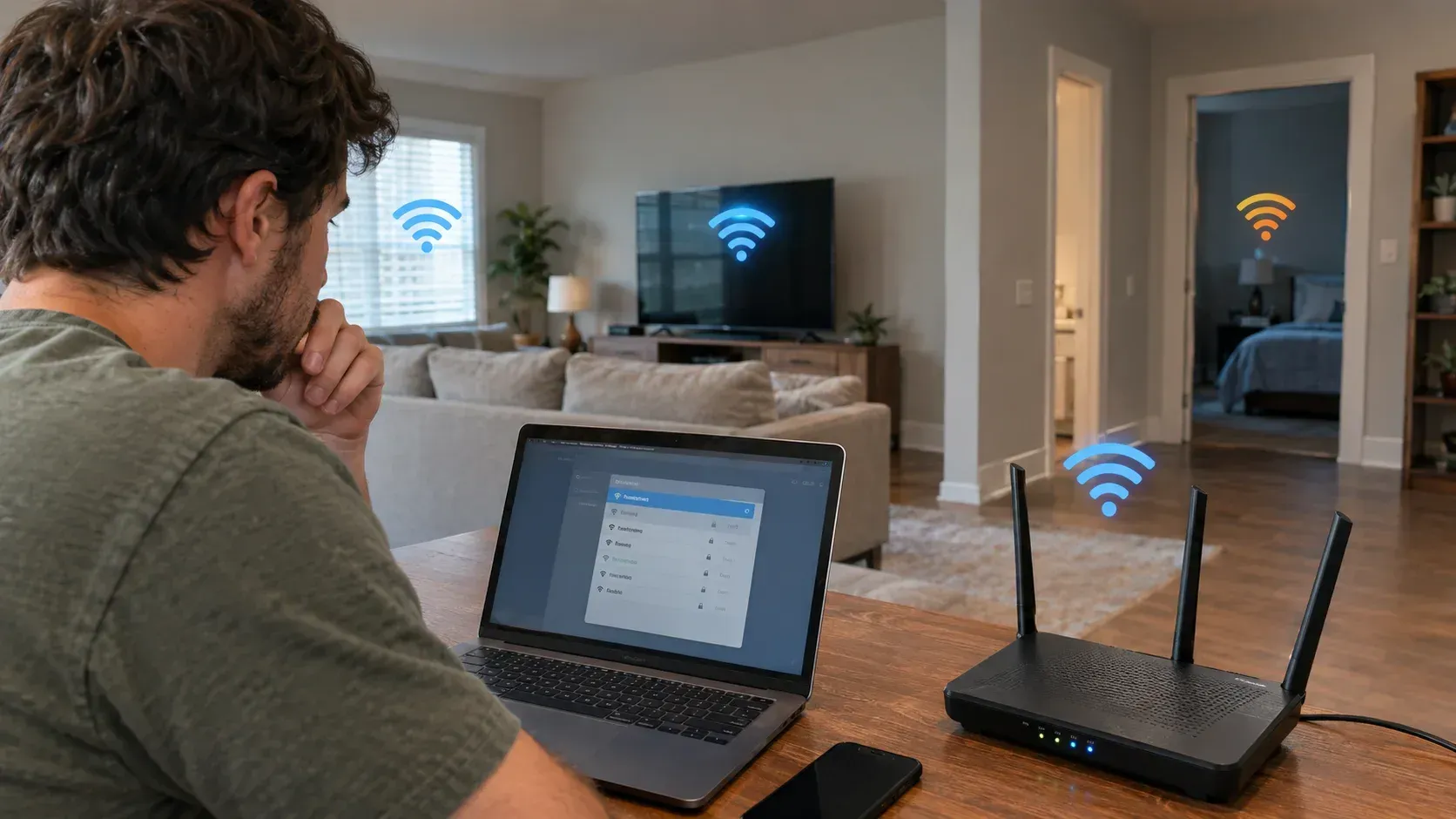
Cameras need reliable power and, for many systems, a strong network connection. Failing to plan cabling, Wi-Fi coverage, or a backup power option can leave cameras dropping offline at the worst moment. Plan the infrastructure before mounting anything.
6. Skipping Weatherproofing on Outdoor Cameras
Outdoor cameras face sun, heat, rain, and dust. In the intense Texas heat, using cameras not rated for the elements, or mounting them without proper sealing, leads to early failure. Choose weather-rated equipment and shield cameras where you can.
7. Forgetting Privacy and Permit Considerations
Cameras should respect privacy laws and avoid pointing into a neighbor's private space. It is also worth knowing local requirements, since some areas expect an alarm permit for monitored systems. Our post on
why San Antonio homeowners should get a security alarm permit covers the local angle, and securing your footage storage protects your data.
Bonus Tips for Effective CCTV Installation
A few extra habits sharpen any CCTV installation:
- Test coverage before finalizing. Review live footage from each camera and adjust angles before mounting permanently.
- Match resolution to the task. Higher resolution helps at entry points where identifying detail matters.
- Plan your storage. Decide how long you need footage retained and size your recorder or cloud plan accordingly.
- Protect the recorder. Keep the NVR or DVR in a secure, hidden spot so it cannot be easily stolen.
- Maintain the system. Clean lenses, check connections, and update software periodically to keep everything running.
These steps help your cameras deliver clear, reliable footage over the long term.
DIY vs Professional Camera Installation
DIY camera installation can work for simple, small setups, and many homeowners start there. The trade-off is that placement, coverage, lighting, and network planning all take experience to get right, and mistakes often surface only when you need the footage. A camera that looked fine during setup can turn out to miss the one angle that mattered.
Professional home security cameras and installation bring that expertise from the start. A trained installer maps coverage, optimizes angles and lighting, plans power and connectivity, and integrates the cameras with the rest of your security system. For larger properties, businesses, or systems tied to monitoring, the professional route usually delivers more dependable results and fewer gaps. Pairing cameras with
professional alarm monitoring closes the loop with a team that can respond.
When Should You Hire a Professional?
It is worth hiring a professional when you have a larger property, multiple cameras, a business to protect, or want your cameras integrated with alarms and monitoring. Proper placement, weatherproofing, and network setup are exactly the areas where small mistakes cause big problems.
A professional can assess your property, recommend the right cameras and positions, and install a system with full, clear coverage. This is especially valuable when footage may be needed for security or evidence, where clarity and reliability are essential. The aim is a system you can trust to see what matters. A quick consultation can help you avoid the seven mistakes above from the outset.
Conclusion
Security cameras are a strong layer of protection, but only when they are installed thoughtfully. Avoiding these seven camera installation mistakes, from poor placement and coverage gaps to lighting, mounting height, and weatherproofing, is what turns a camera system into reliable security rather than a false sense of safety.
Plan your coverage, mind the lighting and infrastructure, and respect privacy and local requirements. Whether you tackle a small setup yourself or bring in a professional for full coverage, getting the installation right ensures your cameras protect your San Antonio property when it counts.
Common Misconceptions About Smart Home Automation
A few myths hold people back from upgrading:
- "It is too complicated to use." Modern systems centralize control in one simple app, which makes daily use easier, not harder.
- "It is only about gadgets." Done well, automation is about coordination and protection, not just owning smart devices.
- "You have to buy everything at once." Most systems are modular, so you can start small and expand over time.
- "Smart means insecure." A properly installed and secured system protects your data as well as your home.
- "DIY is always just as good." Self-installs can work, but professional setup helps avoid gaps and integration problems.
Looking for Reliable Security Camera Installation in San Antonio?
Want cameras installed right the first time? The team at
APEX Smart Home can plan your coverage, position cameras for clear footage, and integrate them with monitoring across San Antonio and Bexar County. Licensed and serving the area since 2014, we focus on dependable, professional results. Reach out today to talk through your
alarm monitoring and security camera needs. Call (210) 301-0032 or visit our
contact page.
Frequently Asked Questions
Where should we place security cameras for the best coverage?
Focus on entry points first: front and back doors, driveways, garages, and gates. We then fill gaps so there are no blind spots, using overlapping views to make sure nothing important goes uncovered.
How high should we mount our security cameras?
Aim for a height that captures clear facial detail while staying out of easy reach, often around eight to ten feet. Too high loses detail, and too low invites tampering, so balance matters in our setup.
Do we need a permit for security cameras in San Antonio?
Cameras themselves typically do not, but monitored alarm systems often require a local permit. We recommend checking the local rules, since staying compliant avoids fines and keeps our monitoring response in order.
Can we install security cameras ourselves, or should we hire a pro?
Small setups can be DIY, but professional camera installation helps with placement, lighting, weatherproofing, and network planning. For larger or monitored systems, a pro usually gives us more reliable coverage.
How do we keep outdoor cameras working in the Texas heat?
Choose weather-rated cameras built for sun and heat, mount them with proper sealing, and shade them where possible. Routine checks help us catch any heat-related wear before it affects our coverage.
Related Posts