San Antonio · Texas
The Future of Smart Homes: Cameras, Automation, and Security
★★★★★ 5-Star Rated · Trusted in Bexar County
BBB Torch Award 2020
Licensed & Insured
In-House Team
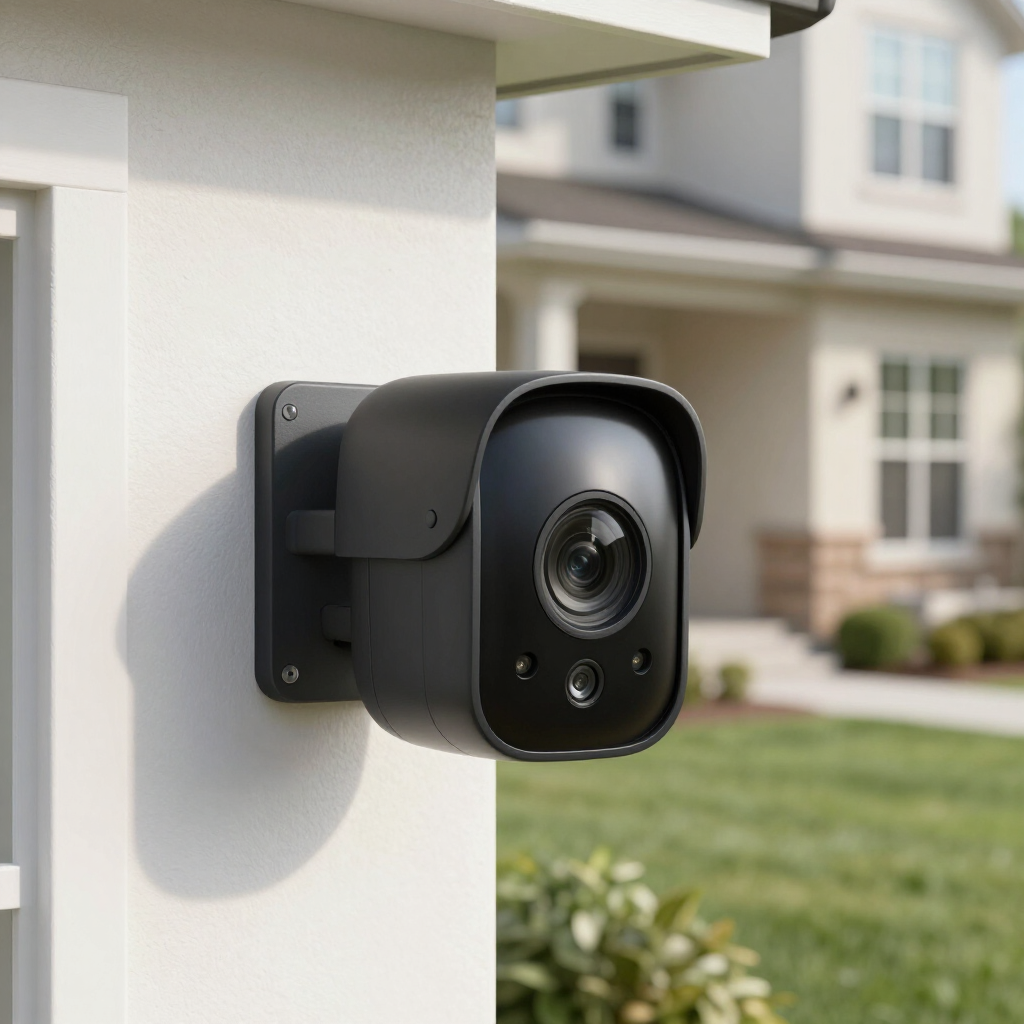
Table of Contents
- Introduction
- What Are Home Automation Systems?
- How Cameras, Automation, and Security Work Together
- Emerging Smart Home Technologies
- Benefits for Homeowners
- The Role of Professional Installation and Monitoring
- Smart Homes in San Antonio: What to Consider
- Common Misconceptions About Smart Home Automation
- When Should You Talk to a Professional?
- Conclusion
- Frequently Asked Questions
Key Takeaways
- The future of smart homes centers on integrated home automation systems that link cameras, connected devices, and security into one platform.
- Unified systems let homeowners monitor and control their property from a single app, anywhere.
- Emerging tech like AI-powered cameras, voice control, and broader device compatibility is making homes smarter and safer.
- Professional security system design and home security system installation help these pieces work together reliably.
- For San Antonio homes, automation supports both protection and energy efficiency in a hot climate.
Introduction
The future of smart homes points toward fully integrated home automation systems, where cameras, connected devices, and security operate as one coordinated platform rather than separate gadgets. For San Antonio, TX homeowners, that means more convenience and stronger protection from a single app. Our security systems bring these pieces together, and our guide on how smart home security works shows that foundation in action.
Smart home technology has moved well past novelty. It is becoming the backbone of how modern homes stay safe, comfortable, and efficient. Here is where it is headed and what it means for your home.
What Are Home Automation Systems?
Home automation systems are networks of connected devices that work together to control and monitor a home, often from a single app or hub. They tie together cameras, sensors, smart locks, lights, thermostats, and alarms so these devices share information and respond to one another.
Rather than operating a dozen separate gadgets, automation lets them act as a coordinated whole. A door sensor can trigger a camera to record, a light to turn on, and an alert to reach your phone, all in one smooth sequence. That coordination is what turns a collection of smart devices into a true smart home.
How Cameras, Automation, and Security Work Together
The real power of a smart home comes from integration. On their own, a camera, a lock, and a thermostat are useful. Connected, they become a responsive system.
Here is how the pieces fit:
- Cameras provide live video and recorded footage, often with motion detection.
- Sensors on doors, windows, and rooms detect activity and trigger responses.
- Smart locks and lights can lock up or light a path automatically based on events or schedules.
- A central hub or app ties it together, letting you see and control everything in one place.
- Alerts and automation rules decide what happens when, such as recording and notifying you when motion is detected at the front door.
This is the framework a modern
professional security system is built on, and it only grows more capable as the technology advances.
Emerging Smart Home Technologies
Several developments are pushing smart homes forward. The most notable include:
- AI-powered cameras that distinguish people from pets or passing cars, and can flag package deliveries or unfamiliar faces.
- Voice control through smart assistants for hands-free operation.
- Geofencing that arms or disarms systems automatically as you come and go.
- Energy automation that adjusts lighting and climate to cut waste.
- Broader device compatibility, with standards designed to help devices from different brands work together smoothly.
- Professional monitoring integration, connecting your system to a team that can respond around the clock.
Together, these trends point toward homes that are more intuitive, more secure, and easier to manage. Our overview of
what features matter most in a modern security system digs into the ones worth prioritizing.
Benefits for Homeowners
Integrated home automation systems offer practical, everyday advantages:
- Convenience: control cameras, locks, lights, and climate from one app, at home or away.
- Safety: real-time alerts and video let you respond quickly to activity at your property.
- Energy efficiency: automated lighting and climate reduce waste and can lower bills.
- Remote awareness: check in on your home from anywhere, anytime.
- Peace of mind: knowing your systems are working together quietly in the background.
The benefits compound as you add devices, since each new piece makes the whole system smarter. Our article on the
benefits of installing a smart home system explores this in more detail.
The Role of Professional Installation and Monitoring
As systems grow more connected, setup matters more than ever. A professional security system is only as good as its design and installation, and getting devices to communicate reliably takes know-how.
Professional home security system installation ensures cameras are placed well, devices are properly integrated, and the network is secure. It also helps you avoid coverage gaps and connectivity headaches. Pairing the system with
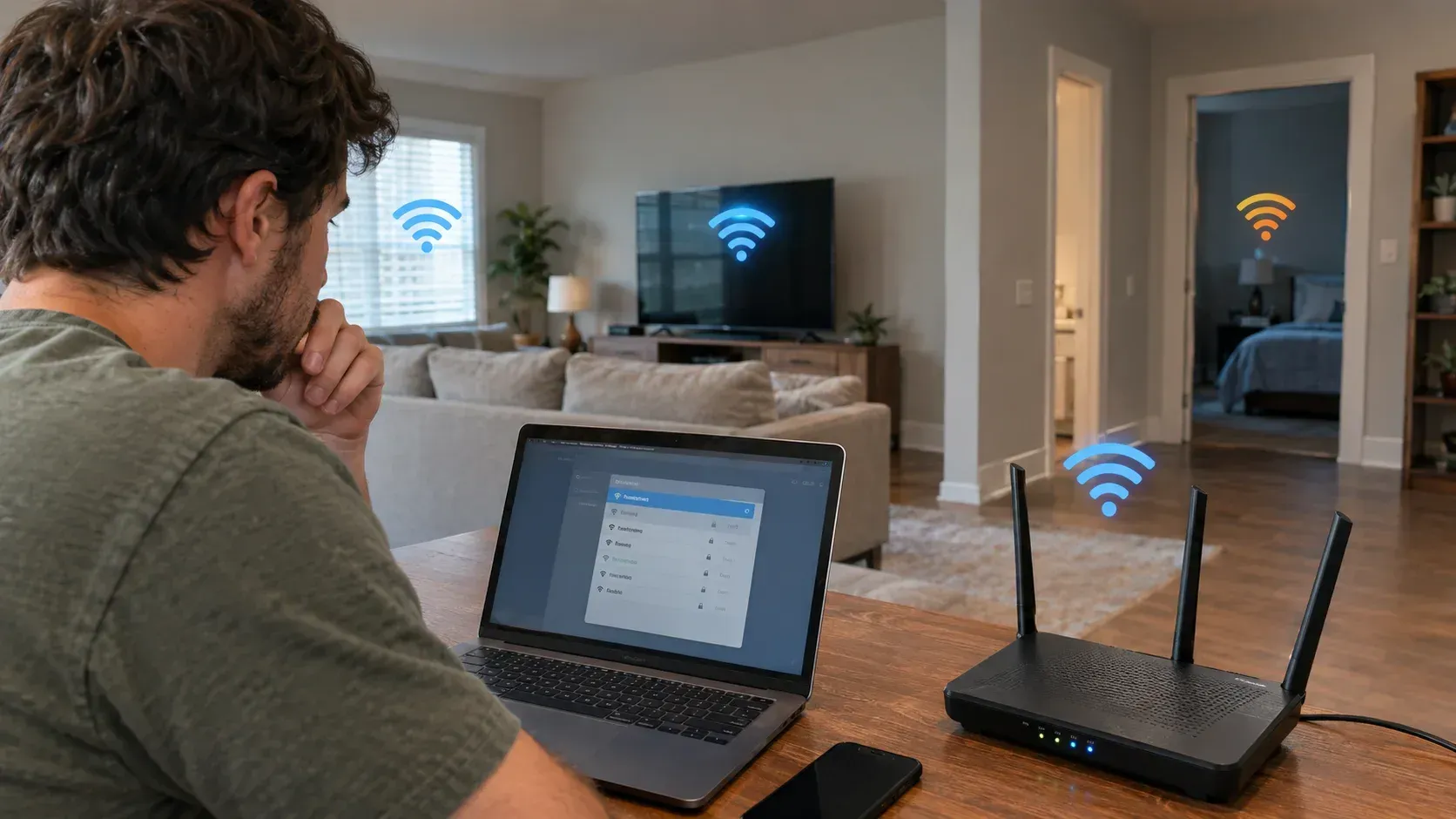
professional alarm monitoring adds a team that can respond when something happens, even when you cannot. A strong internet connection underpins all of it, since automation relies on dependable connectivity.
Smart Homes in San Antonio: What to Consider
Smart home priorities shift a bit with the local climate and lifestyle. In San Antonio's heat, energy automation that manages cooling efficiently is especially valuable, helping homes stay comfortable without runaway bills.
Reliable connectivity matters too, since automation depends on a steady network across the property. And with security a top concern for many Bexar County families, integrating cameras and monitoring into the wider system adds meaningful protection. Choosing equipment and a setup suited to the local environment helps your smart home perform year-round.
Common Misconceptions About Smart Home Automation
A few myths hold people back from upgrading:
- "It is too complicated to use." Modern systems centralize control in one simple app, which makes daily use easier, not harder.
- "It is only about gadgets." Done well, automation is about coordination and protection, not just owning smart devices.
- "You have to buy everything at once." Most systems are modular, so you can start small and expand over time.
- "Smart means insecure." A properly installed and secured system protects your data as well as your home.
- "DIY is always just as good." Self-installs can work, but professional setup helps avoid gaps and integration problems.
When Should You Talk to a Professional?
It is worth talking with a professional when you are planning a new system, expanding an existing one, or want devices from different categories to work together seamlessly. An experienced team can design a setup around your home, handle installation, and integrate monitoring so everything functions as one.
Professional input is especially helpful as systems grow more complex, where placement, connectivity, and security all need to align. The goal is a smart home that is genuinely convenient and dependable, not a tangle of apps. A consultation can map out a system that fits your needs and grows with you over time.
Conclusion
The future of smart homes is one of integration, where home automation systems bring cameras, connected devices, and security together into a single, responsive platform. Emerging tools like AI cameras, voice control, and smarter energy management are making homes safer, more efficient, and easier to live in.
For San Antonio homeowners, the appeal is clear: more convenience and stronger protection, managed from the palm of your hand. With thoughtful design and professional setup behind it, a connected home can deliver on that promise today and keep getting smarter as the technology evolves.
Ready to Build a Smarter, Safer Home?
Curious how a connected system could work for your home? The team at APEX Smart Home can design home automation systems that bring your cameras, security, and devices together, then install and support them across San Antonio and Bexar County. Licensed and serving the area since 2014, we take a customer-first approach to every project. Reach out today to explore our security systems. Call (210) 301-0032 or visit our contact page.
Frequently Asked Questions
Do we need to replace our current devices to build a smart home system?
Not always. Many home automation systems are modular and can integrate compatible devices we already own. A professional can review our setup and recommend what works together and what is worth upgrading.
Can we start small and add to our smart home over time?
Yes. Most systems are designed to grow. We can begin with cameras and a few key devices, then expand to locks, lighting, and climate control later as our needs and budget allow.
How does a professional security system improve on a DIY setup?
Professional design and home security system installation help avoid coverage gaps, integration issues, and weak network security. The result is a system where the pieces reliably work together as intended.
Will a smart home system help us save on energy in San Antonio's heat?
It can. Automated climate and lighting reduce waste by running only when needed. In our hot climate, smarter cooling control is one of the more practical ways automation can trim energy use.
Is our data safe with a connected home automation system?
It can be, with proper setup. A securely installed and configured system protects your information. We recommend professional installation and strong network security to keep both your home and data safe.
Related Posts