San Antonio · Texas
What Are the Benefits of Installing a Smart Home System in?
★★★★★ 5-Star Rated · Trusted in Bexar County
BBB Torch Award 2020
Licensed & Insured
In-House Team
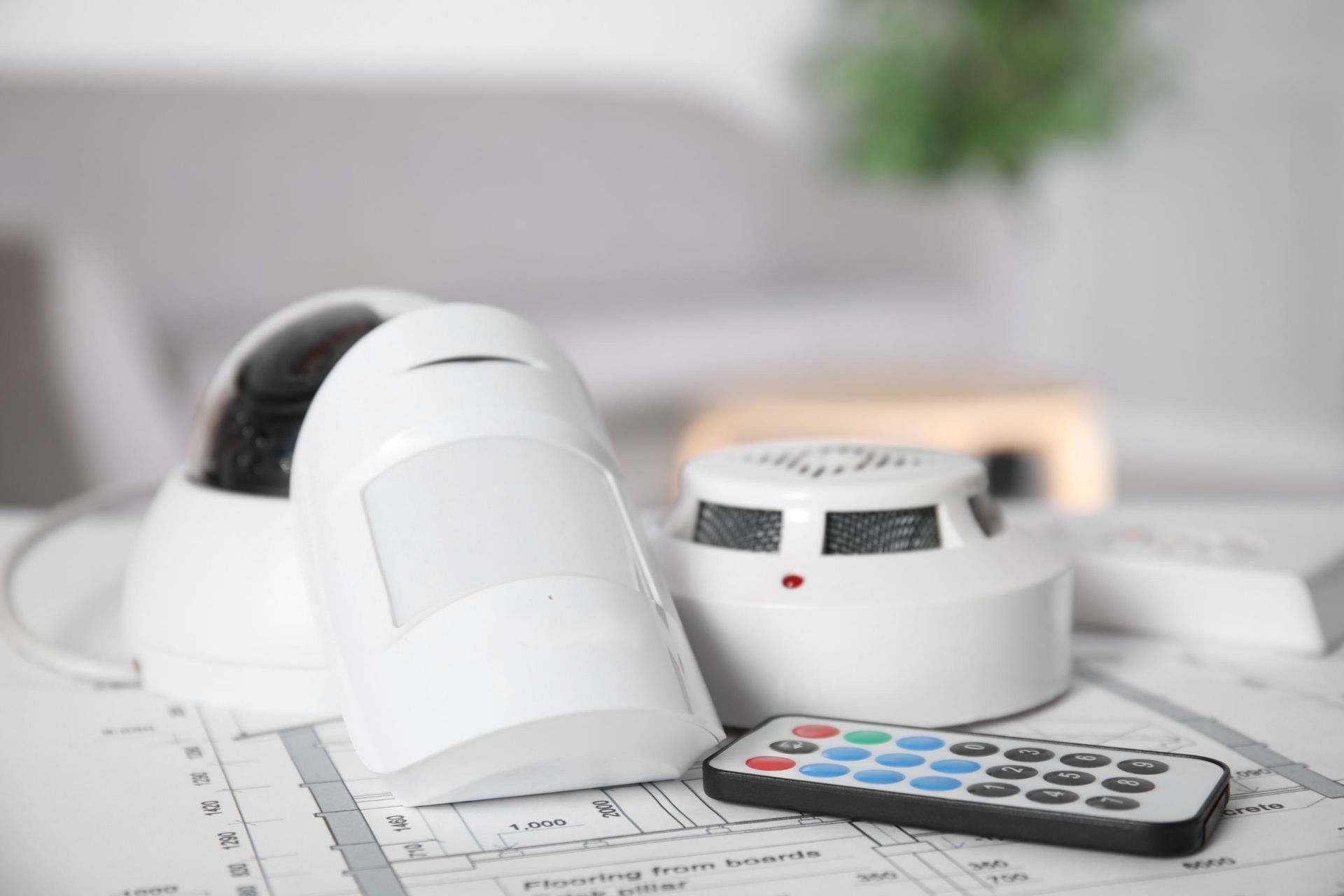
Table of Contents
- Introduction
- What Is a Smart Home System?
- Why Do Homeowners Consider Smart Homes?
- How Does It Improve Daily Convenience?
- How Can It Support Energy Awareness?
- How Does It Affect Comfort?
- How Is a Smart Home Set Up?
- How Should Homeowners Plan Their Setup?
- Conclusion
- Book a Smart Home Consultation
- Frequently Asked Questions
Key Takeaways
- Smart home systems connect devices so they can work together.
- Common benefits include convenience, comfort, and easier daily routines.
- Home automation can be added in stages rather than all at once.
- Clear planning supports a more useful and steady setup.
Introduction
The main benefits of
smart home installation include daily convenience, better awareness of energy use, improved comfort through automated temperature control, simpler home routines, and the ability to monitor the home from a phone. These benefits build up as more devices are connected through home automation.
Smart home technology is becoming more common in homes. The goal of a smart home system is to connect devices so they can be controlled, scheduled, or monitored more easily. Many homeowners are curious about what this actually looks like in daily life.
This article outlines the practical benefits of smart home installation, the kinds of features people often start with, and how to plan a setup that fits the home and routine. It is written for informational use, not for promoting a specific product.
Why Do Homeowners Consider Smart Homes?
Homeowners often want better control of heating, cooling, and energy use. Smart home benefits are especially noticeable in these areas.
There is also interest in convenience features that fit busy routines, such as voice control, automated lighting, and remote monitoring while away from home.
How Does It Improve Daily Convenience?
Convenience is one of the first benefits homeowners notice. Simple tasks become quicker when they are automated or grouped together.
- A single voice command can adjust lights, music, and temperature.
- Schedules can turn lights on in the evening or off at bedtime.
- Smart locks can be checked or controlled remotely.
- Notifications can alert homeowners about doorbells, motion, or water leaks.
How Can It Support Energy Awareness?
Smart home installation often includes devices that show how energy is used. Smart thermostats, plugs, and lighting can track use patterns and suggest adjustments.
With clear data, homeowners can make more informed decisions about heating, cooling, and electricity use. While results depend on habits and the home, having the information available supports more thoughtful choices.
Examples of Energy-Aware Features
| Feature | What It Does | Typical Use |
|---|---|---|
| Smart thermostat | Schedules and adjusts temperature | Lower use when away |
| Smart plug | Tracks plug-level energy use | Spotting heavy devices |
| Smart lighting | Schedules and dims lights | Reducing unused lighting |
| Sensors | Detects motion or occupancy | Triggers based on real use |
How Does It Affect Comfort?
Comfort improvements are a common reason for considering home automation. A smart thermostat can maintain steady indoor temperatures, while smart shades or lighting can change with the time of day.
Small adjustments add up. Pre-heating the home before arrival, reducing glare in bright rooms, or setting a quiet evening scene can shape how the home feels at different times.
How Is a Smart Home Set Up?
A typical setup involves a few key steps.
Step 1: Identify Goals
Homeowners decide what they want to improve, such as energy use, security, lighting, or entertainment. The list helps guide which devices to add first.
Step 2: Choose a Platform
Most setups are built around a central platform or hub. The platform connects devices and provides a single app or interface for control.
Step 3: Add Devices in Stages
Many homeowners start with one area, such as lighting or thermostats, and expand over time. This staged approach keeps decisions manageable.
Step 4: Configure Routines
Once devices are connected, routines and schedules are set. These rules turn individual devices into a system that works together.
How Should Homeowners Plan Their Setup?
Clear planning supports a smoother experience. A few questions help focus the work.
- What rooms or routines matter most each day?
- Which devices would have the biggest practical effect?
- How comfortable is the household with apps and voice tools?
- How might the system grow over the next few years?
Answering these questions before installation makes it easier to choose devices and arrange them in a way that fits the home.
Conclusion
Smart home installation offers practical benefits in convenience, comfort, and energy awareness. The system works best when it is shaped around the home and the routines of the people who live there.
By planning in stages and starting with clear goals, homeowners can build a setup that supports daily life without becoming complicated. Home automation continues to evolve, so flexible, informed choices help keep options open over time.
Book a Smart Home Consultation
If you are curious about smart home installation, a consultation can help you explore options at your own pace. The aim is informed, low-pressure planning that supports clear decisions about your home and routines.
To learn more or discuss more options, you may contact at contact@getapexsmart.com or call us at (210) 301-0032 to learn more about our services and schedule your consultation today.
Frequently Asked Questions
Do we need a smart home hub for everything?
Not always. Some devices work directly through Wi-Fi. A hub can simplify control of many devices, but a smaller setup may not need one. The right choice depends on the devices used.
Can we add smart features to an older home?
Yes, in most cases. Many smart devices are designed to work with existing wiring and routers. Older homes may need some adjustments, which can be planned during installation.
How do smart home benefits change over time?
As more devices are added, the system can support more routines and insights. Many homeowners notice gradual benefits as automations are tuned to their daily habits.
Is smart home installation suitable for renters?
Some devices, such as smart plugs and bulbs, can be installed and removed easily. Larger work, like smart thermostats or locks, may need permission from the property owner.
What if our internet connection is unstable?
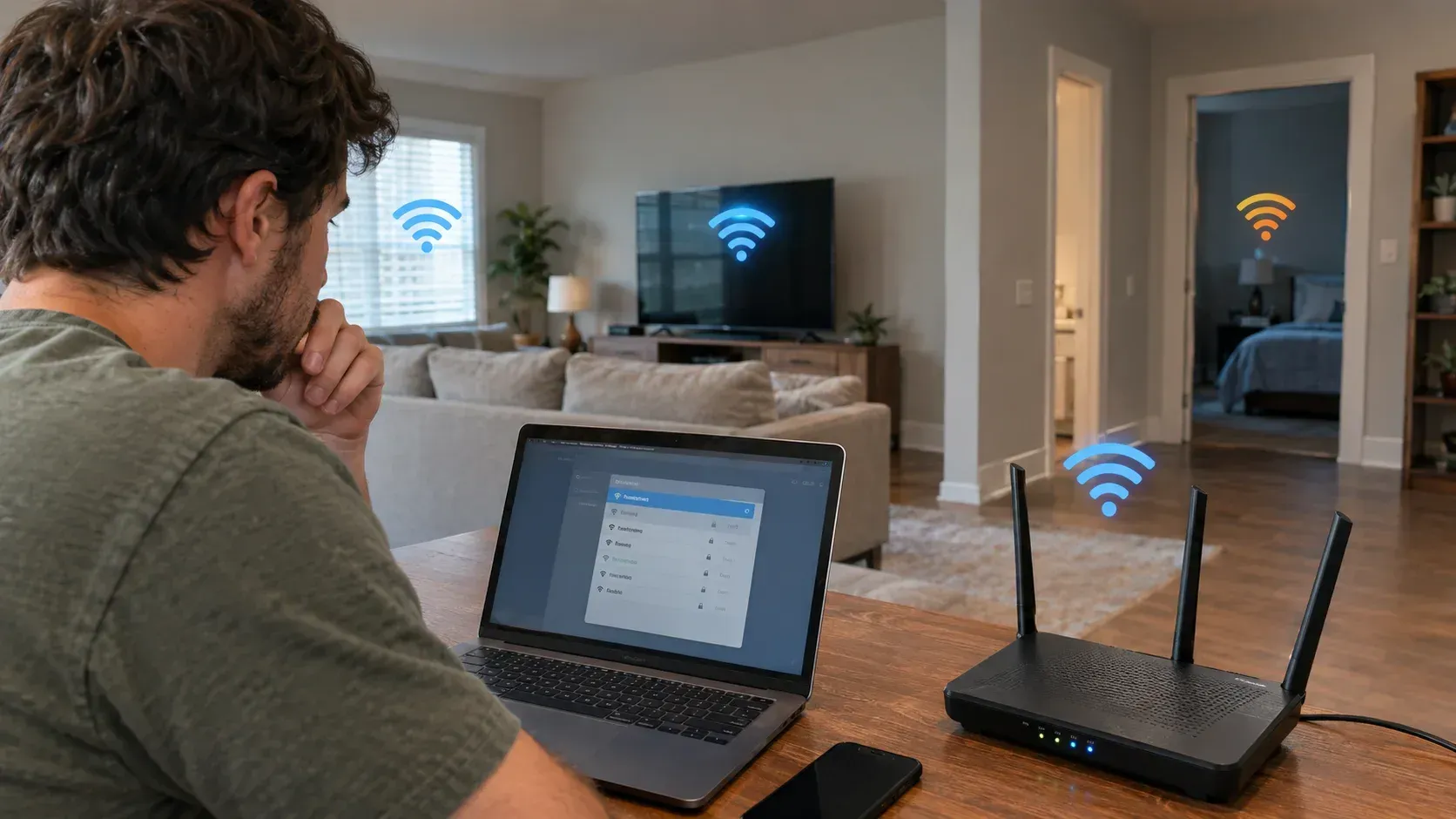
A stable home network supports a reliable system. If connectivity is a concern, it helps to discuss network setup as part of the broader plan for home automation.
Related Posts